
Control your contracts with confidence & ease
Research shows that poor agreement management can cost businesses up to 9% of annual revenue through missed renewals, lost agreements and unmanaged obligations. Scrive now offers two ways to bridge this gap: Via an integration to Scrive or directly through Contractbook.
Even if organisations are confident about getting contracts signed, they’re not always confident about what happens next.
Once the agreement is signed, it often disappears into shared drives, inboxes or folders. Deadlines are tracked manually. Renewal dates are missed. Obligations are forgotten. Contracts become static files instead of active business assets.
This is the contract dark hole.
Scrive helps you close it.
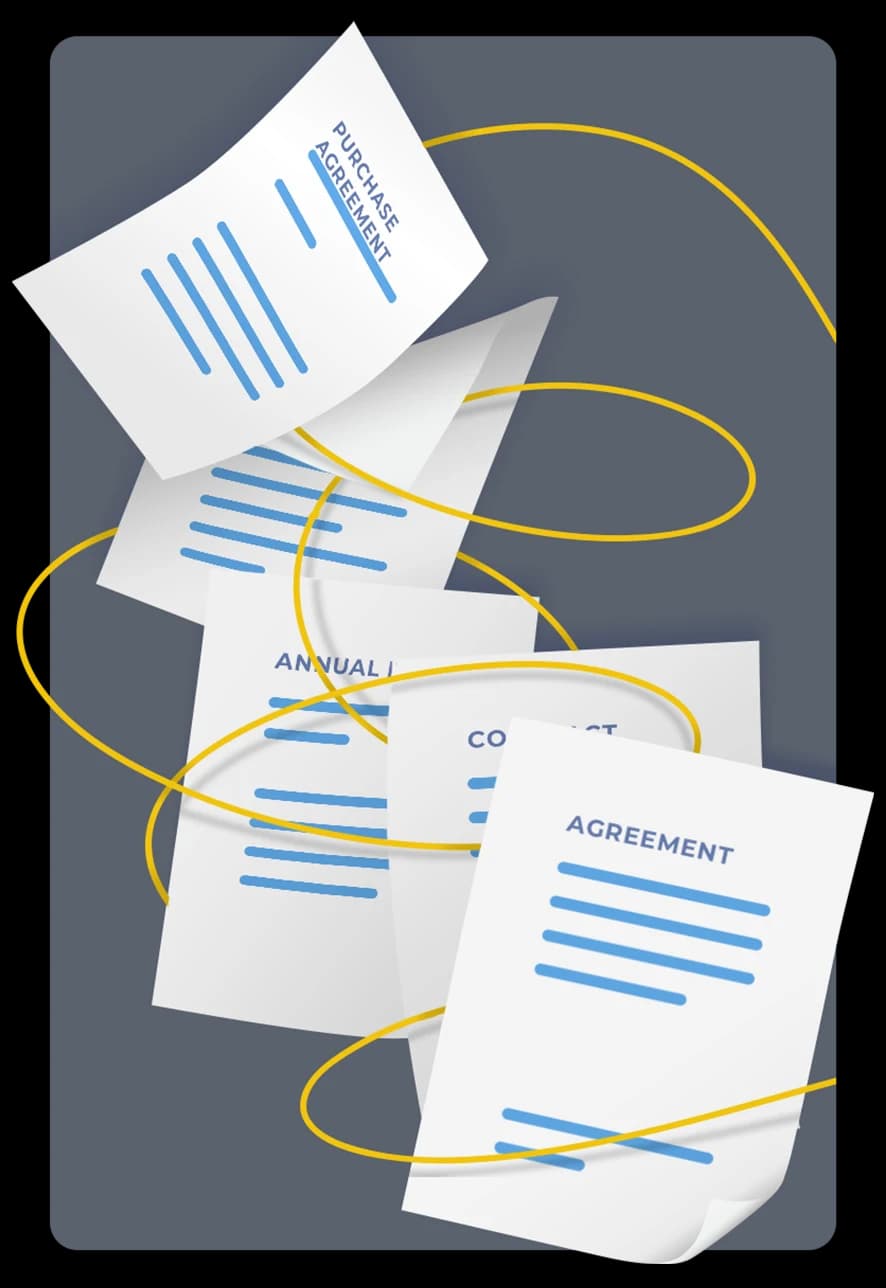
The contract dark hole: where value is lost
Signing a contract is only one moment in its lifecycle. The real operational risk begins after:
- Signed agreements stored without structure
- No central overview of obligations
- Renewal dates buried in calendar invites
- Contracts impossible to search properly
- Manual follow-up processes
Research shows that poor agreement management (also known as contract management) can cost organisations up to 9% of annual revenue. Missed renewals, missed opportunities, lost deals and all because the contracts weren’t properly managed.
Scrive addresses exactly this gap.
From signature to structure
With Scrive’s contract management, signed agreements can move into a structured repository.
Your foundation for secure, compliant electronic signing (including QES), advanced workflows and ID verification all stay the same, but what changes is what happens after the document is signed.
This is where your contracts become:
- Searchable
- Organised
- Trackable
- Actionable
Instead of static PDFs, you gain visibility and control over your signed agreements.
Two paths to contract management
Not every organisation has the same pain point. Some start with signing. Others start with administration and automation. Scrive’s contract management ecosystem supports both approaches.
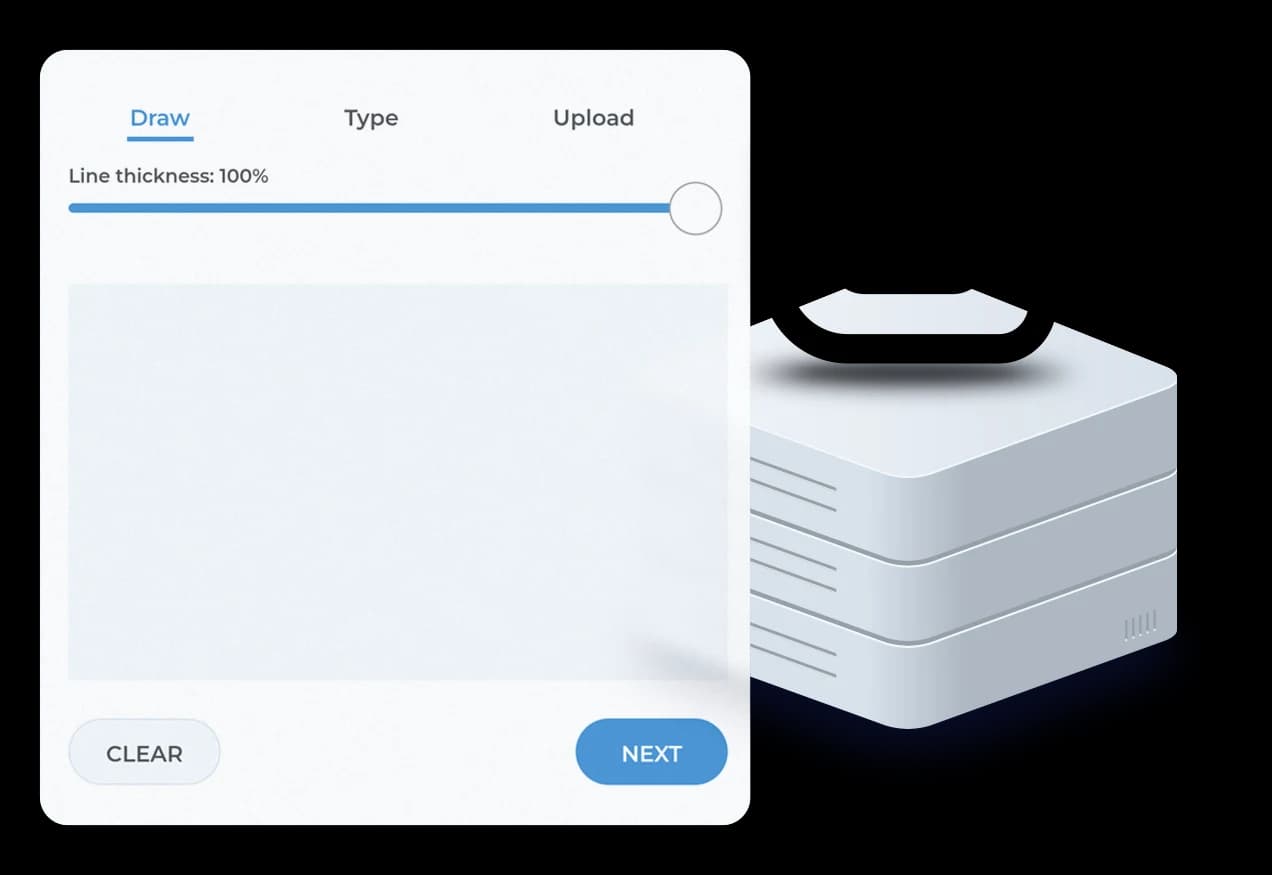
Path A: Signing-first with structured post-signature control
Scrive + Contractbook integration
This path is designed for organisations where legal certainty, compliance and advanced signing workflows are the priority.
You:
- Prepare your documents
- Upload and send them via Scrive
- Set up your preferred signing process
- Automatically transfer signed agreements into Contractbook for structured storage
This approach solves the post-signature dark hole without disrupting your signing process. You continue working across two connected tools, signing in Scrive, managing in Contractbook, with data flowing between them.
However, by the end of 2026, all of this will be available in one integrated solution, delivering the full end-to-end process in one interface.
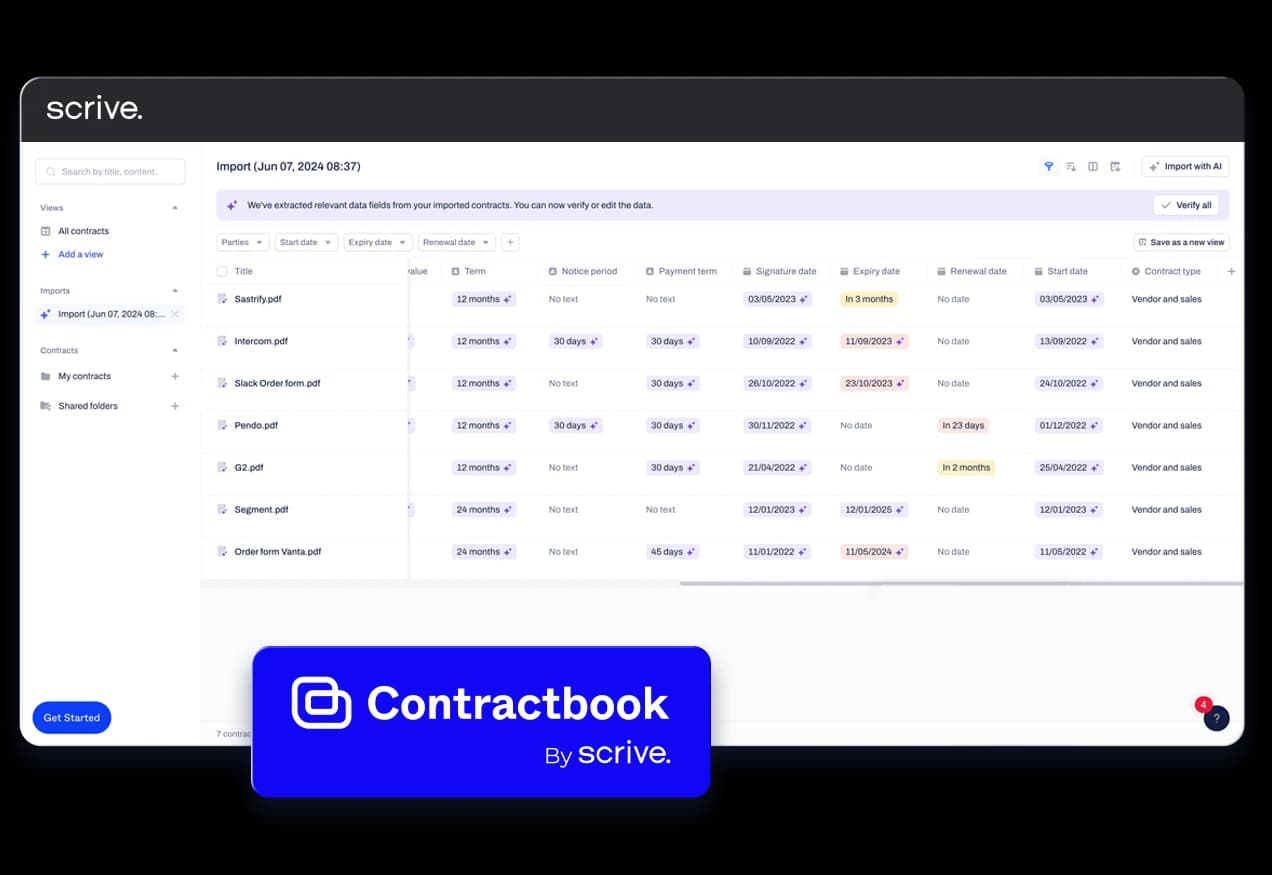
Path B: Automation-first contract management
Contractbook by Scrive
For other organisations, the biggest pain point is not signing but rather everything before and after.
Manual drafting. Template inconsistencies. Approval bottlenecks. Lack of overview.
Contractbook by Scrive provides full contract management, including:
- Dynamic, data-driven templates
- Collaborative drafting and approvals
- Structured contract data
- Automated reminders and workflows
- Centralised contract visibility
Start treating your contracts as data rather than just documents.
A clear direction forward
Today, Scrive and Contractbook work as connected solutions. You move between signing and management.
However, we are actively building toward a more unified end-to-end experience which is due to be launched by the end of 2026.
By starting now, you gain structured post-sign control while positioning your organisation for the broader contract management capabilities ahead, setting yourself up for continued success and a simple transition to the full solution later this year.
Frequently Asked Questions (FAQ)
What is contract management software?
Contract management software (also known as CLM software, contract lifecycle management software or a contract management system) is a digital system that helps organisations:
- Store signed contracts securely
- Search and filter agreements
- Track key dates and obligations
- Automate reminders and follow-up actions
- Gain insight from contract data
Rather than relying on shared drives or spreadsheets, contract management software creates a structured repository for agreements and reduces administrative risk.
Some systems focus primarily on post-signature management, while others provide full contract lifecycle management (CLM) including drafting and automation.What are the benefits of contract management software?
The main benefits include:
- Reduced risk of missed renewals or obligations
- Faster access to agreements
- Improved compliance and audit readiness
- Better cross-team visibility
- Less manual administration
- Clear ownership and accountability
Research shows that poor contract management can cost organisations up to 9% of annual revenue. Missed renewals, missed opportunities, lost deals and all because the contracts weren’t properly managed.
Structured digital management helps close that gap.
How can I improve my contract management process?
Improving your contract management process typically starts with addressing what happens after signing.
Key steps include:
- Centralising all signed contracts in one searchable system
- Adding structured metadata to agreements
- Automating reminders for renewals and key dates
- Standardising approval and storage workflows
- Reducing reliance on manual processes and spreadsheets
For some organisations, this begins by connecting their existing signing tool to a contract management platform. For others, for whom the pre-signing process is a deciding factor, it means implementing full, end-to-end contract lifecycle management software. No matter which of these two approaches you choose, we have solutions to fit your needs.
How to manage contracts efficiently for a growing business?
Growing businesses often struggle with:
- Increasing contract volumes without scalable structure
- Template inconsistencies
- Lack of visibility across teams
- Manual follow-ups
To manage contracts efficiently at scale, businesses should:
- Move from shared drives to a contract management system
- Introduce structured templates
- Use automation for reminders and workflows
- Treat contracts as data rather than static PDFs
Scalability is less about volume and more about structure.
What are the key features of contract management tools?
Key features of modern contract management software include:
- Centralised contract repository
- Advanced search and filtering
- Automated reminders and notifications
- Permission and access controls
- AI-assisted contract analysis
- Integration with signing tools and business systems
More advanced CLM software may also include dynamic contract templates, collaborative drafting and lifecycle orchestration.
What is AI contract management?
AI contract management uses artificial intelligence to extract, analyse and structure data from contracts.
Common applications include:
- Automatic detection of contract types
- Extraction of key clauses or dates
- AI assistants that answer questions about agreements
- Bulk data categorisation
AI contract management does not replace legal oversight but helps reduce manual review, improves visibility across large contract portfolios and automates otherwise tedious processes.
How to choose a contract management system?
When evaluating contract management software, consider:
- Do you primarily need post-signature control or full lifecycle automation?
- Do you require advanced compliance, ID verification and e-signing?
- Can the system integrate with your existing tools?
- Is the interface intuitive for non-legal teams?
- Does it scale with your contract volume?
The best contract management software is the one that fits your organisation’s actual pain points and requirements. If you’re unsure where to start, get in touch today and we’ll help you find the right solution for you.
Which contract management tools are most user-friendly?
It’s hard to name one as the most user-friendly as your mileage may vary. However, as a rule of thumb, user-friendliness typically depends on:
- Ease of search and navigation
- Simplicity of setting reminders and workflows
- Clarity of dashboards and contract overviews
- Minimal training requirements
Typically, the most user-friendly contract management system is one that integrates naturally with their signing workflows and reduces the need for manual tracking. That will differ from organisation to organisation but get in touch with Scrive to find out more about how we can integrate with your existing workflows.
Are digital contract management solutions secure?
If you’re looking for an especially secure digital contract management solution, you should be looking for solutions that combine:
- Legally compliant electronic signing
- Encrypted storage
- Role-based access control
- Audit trails
- Structured contract repositories
Security and compliance are particularly important in industries where contracts must meet strict legal and identity verification standards. Scrive specialises in that intersection of security, compliance and user experience so reach out today to discuss your security requirements.
What are the top platforms for digital contract lifecycle management?
Leading contract lifecycle management platforms typically offer:
- Dynamic contract templates
- AI-driven data extraction
- Workflow automation
- Integration with e-signature tools
- Centralised visibility across departments
The right platform depends on whether your organisation’s primary challenge lies in drafting, signing, post-signature control or all three.
What are efficient contract automation solutions for medium to high contract volumes?
For organisations handling medium to high contract volumes looking to maximise efficiency, it’s worth paying special attention to:
- Template standardisation
- Automated data population
- Structured metadata
- Bulk processing capabilities
- AI-assisted categorisation
Automation reduces administrative overhead and helps ensure contracts remain searchable and actionable long after signing.